Dead Branch Removal in Allentown, PA
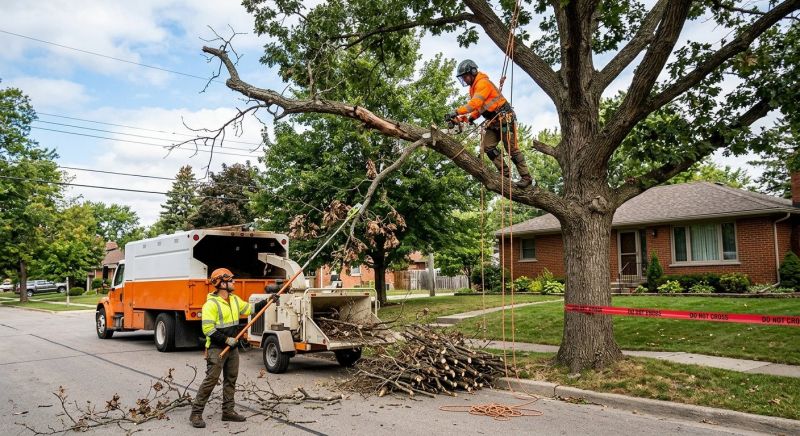
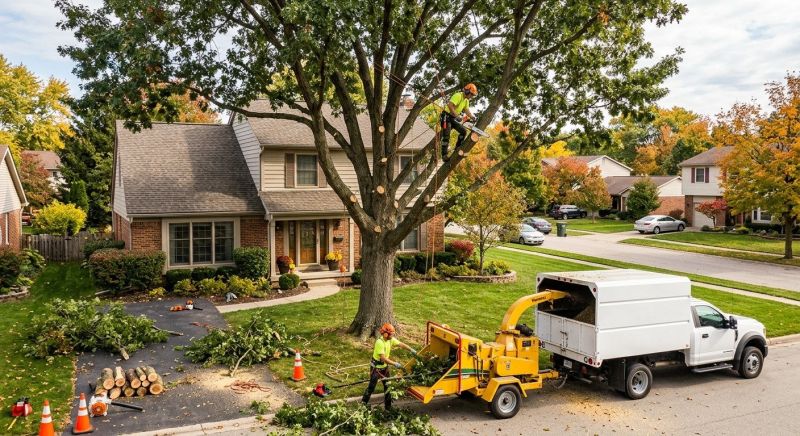
Dead branch removal services involve the safe and efficient removal of dead or dying limbs from trees to improve the health, safety, and appearance of the landscape. This type of project typically includes trimming or pruning dead branches that pose a risk of falling, cause damage to property, or interfere with power lines or structures. Homeowners often request dead branch removal to prevent potential hazards, maintain tree vitality, and enhance the overall aesthetic of their yard.
Before requesting dead branch removal, property owners usually want to understand the extent of the work needed, the types of tools and techniques employed, and any potential impacts on the tree’s health. It’s also common to inquire about the safety measures taken during the process, especially when working near buildings, power lines, or other obstacles. Clear communication about the scope of the project helps ensure that the removal aligns with property maintenance goals and safety standards.
Many property owners in Allentown, PA look into Dead Branch Removal for repairs, replacements, upgrades, and appearance-related improvements.
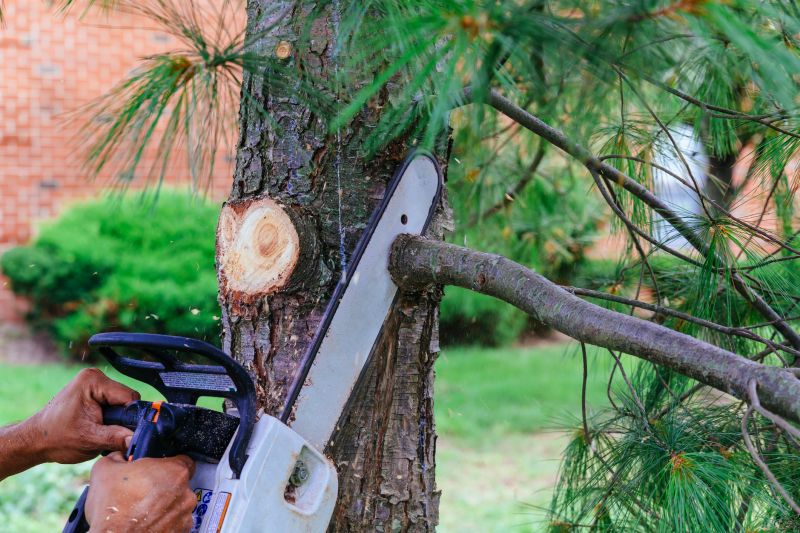
Dead Branch Removal Services
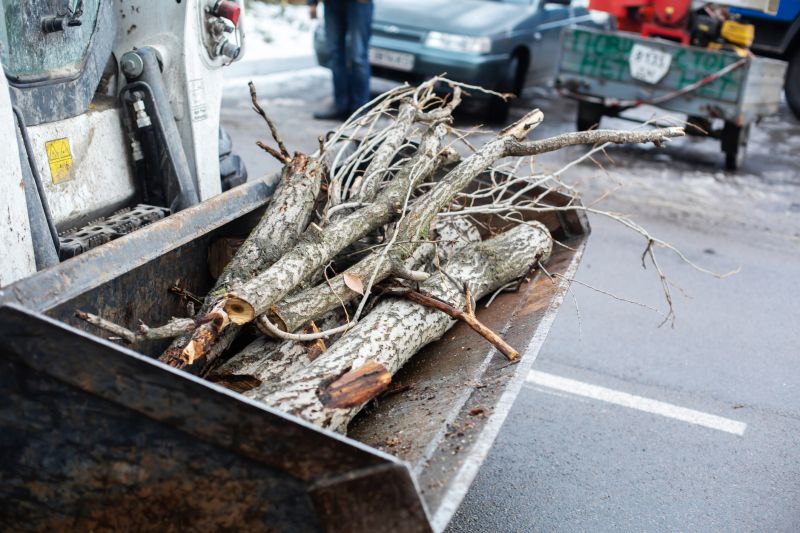
Examples of dead branch removal work property owners may explore in allentown, pa.
Dead Branch Removal Updates
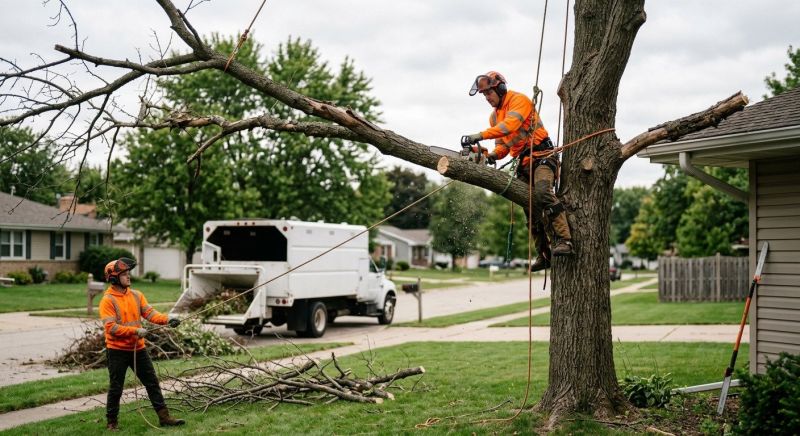
Common ways people refresh, improve, or restore dead branch removal features in allentown, pa.
Dead Branch Removal Options
Different styles, layouts, and finishes people consider for dead branch removal in allentown, pa.
Dead Branch Removal in Allentown, PA
Dead branch removal services involve the safe and efficient removal of dead or dying limbs from trees to improve the health, safety, and appearance of the landscape. This type of project typically includes trimming or pruning dead branches that pose a risk of falling, cause damage to property, or interfere with power lines or structures. Homeowners often request dead branch removal to prevent potential hazards, maintain tree vitality, and enhance the overall aesthetic of their yard.
Before requesting dead branch removal, property owners usually want to understand the extent of the work needed, the types of tools and techniques employed, and any potential impacts on the tree’s health. It’s also common to inquire about the safety measures taken during the process, especially when working near buildings, power lines, or other obstacles. Clear communication about the scope of the project helps ensure that the removal aligns with property maintenance goals and safety standards.
Many property owners in Allentown, PA look into Dead Branch Removal for repairs, replacements, upgrades, and appearance-related improvements.
Common Dead Branch Removal Jobs
Dead Tree Removal - safely eliminates hazardous or decayed trees from the property.
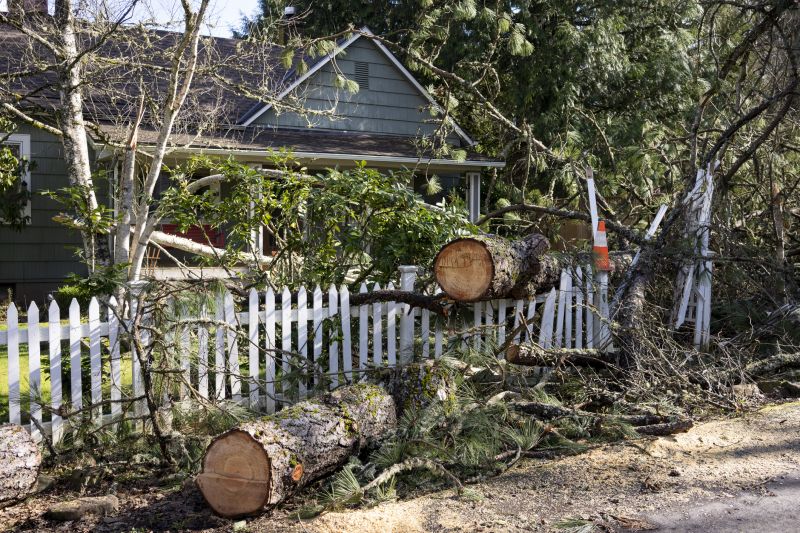
Storm Damage Cleanup - clears fallen or broken branches after severe weather events.
Overgrown Branch Trimming - reduces excessive growth that could threaten structures or power lines.
Uprooting Dead Trees - removes trees that are completely dead or dying to prevent safety risks.
Branch Pruning - improves tree health and reduces the risk of branch failure.
Emergency Dead Branch Removal - provides urgent removal services for immediate safety concerns.
Dead Branch Removal Questions
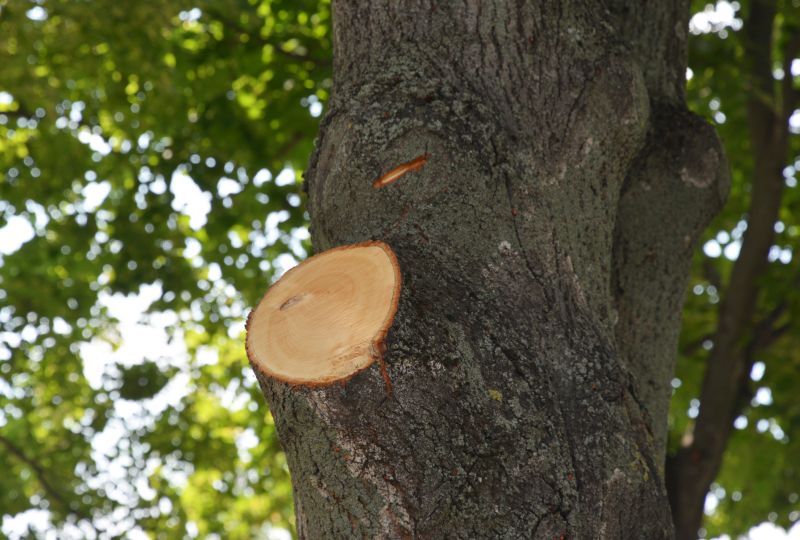
Why should dead branches be removed? Removing dead branches helps prevent potential damage to the tree and nearby structures, reducing the risk of falling limbs during storms.
When is the best time to remove dead branches? Dead branches can be removed at any time of year, but it’s often best during dormant seasons to minimize stress on the tree.
How does dead branch removal benefit property appearance? Removing dead branches improves the overall look of the tree and enhances curb appeal by promoting healthier growth.
What tools are used for dead branch removal? Professional services typically use pruning saws, shears, and other specialized equipment to safely remove dead or hazardous branches.
Request Dead Branch Removal in Allentown, PA
Use the quote form on this page to share the basics of your project and request more information for the type of work you need.